
Is Cooking at Home Really Cheaper Than Fast Food?
Written by Kai Cardillo, Dietetic Intern
With the seemingly endless rising costs of everyday living, many families are looking for ways to make their food dollars go further. Fast food has long been a convenient and affordable option, but prices have climbed in recent years. Today, we will look at how much fast food costs in 2026 and discuss some tips for how to make the most of our food budgets and nourish our bodies.
The Rising Cost of Fast Food
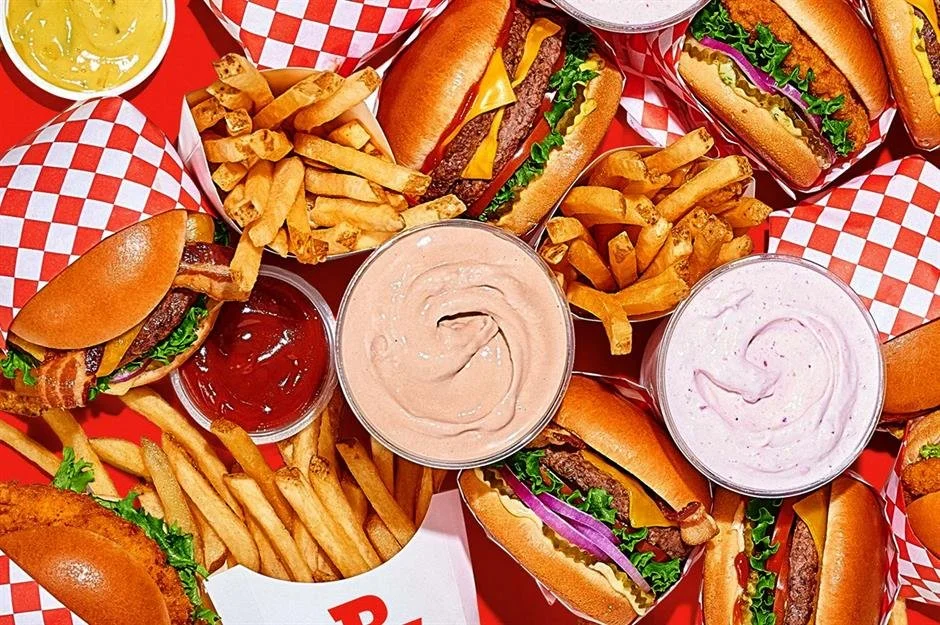
We’ve all relied on fast food at some point in our lives. It’s quick, tasty, and was once considered an affordable option on a busy day. But lately, it feels like that $20 that used to get you half the menu now barely covers a combo meal.
I remember going to McDonald’s with my mom and sister and spending less than $15 for all of us to eat. Now, it’s common for a single meal to cost $15 or more!
So what changed? Many establishments, especially in California, have raised prices in response to higher wages and inflation. Here at AYAN, we understand and support the long overdue and needed increase in wages to keep up with cost of living. Prices continue to rise faster than wages making it more and more difficult for our budgets to keep up. Since 2020, the average price increase across 16 popular fast-food chains has been around 42%, and McDonald’s has nearly doubled its menu prices since 2014.
Fast food is no longer the budget-friendly option it once was, especially for families. Add in using delivery apps and the total cost really increases through fees and markups.
Fast Food Prices in 2026
Let’s take a look at some current menu prices from popular California fast-food restaurants:
In-N-Out:
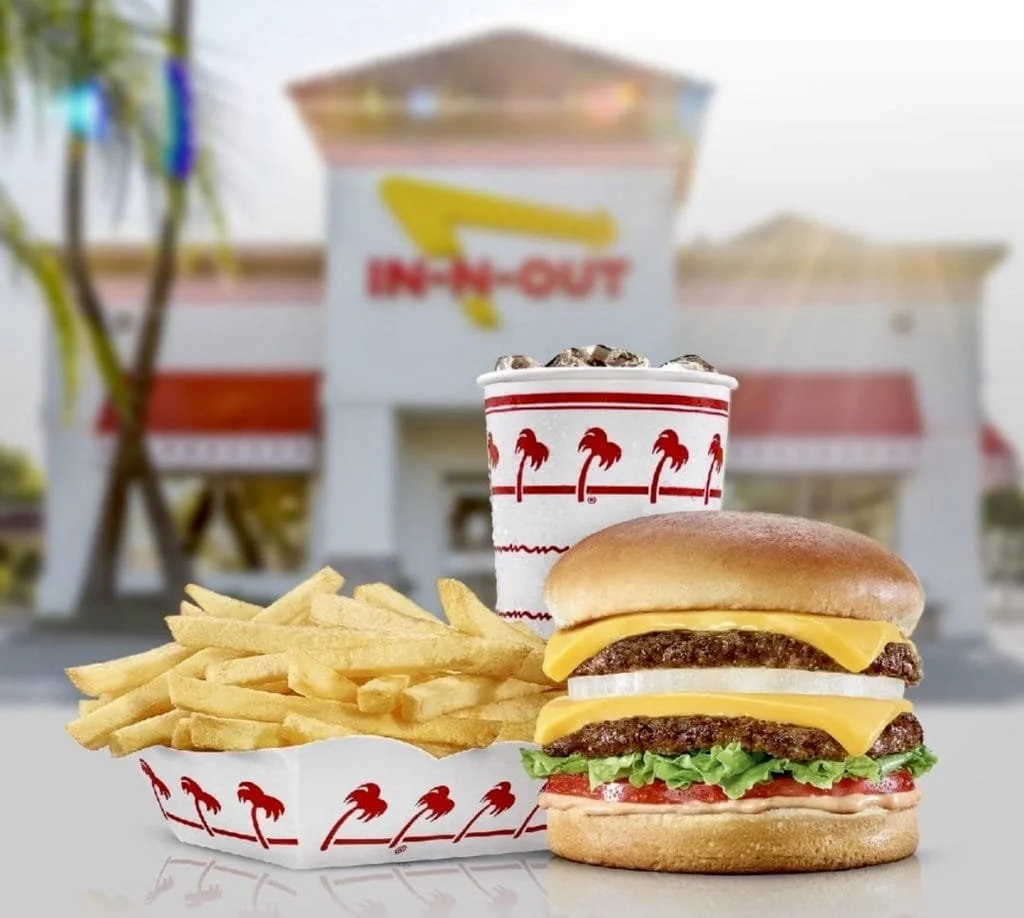
Double-Double, fries, drink — $11.10
Cheeseburger, fries, drink — $9.25
Hamburger, fries, drink — $8.75
McDonald’s:
Double Bacon Quarter Pounder Meal — $17.59
Quarter Pounder Meal — $11.99
10-Piece McNuggets — $7.19
4-Piece Chicken McNugget Happy Meal — $7.19
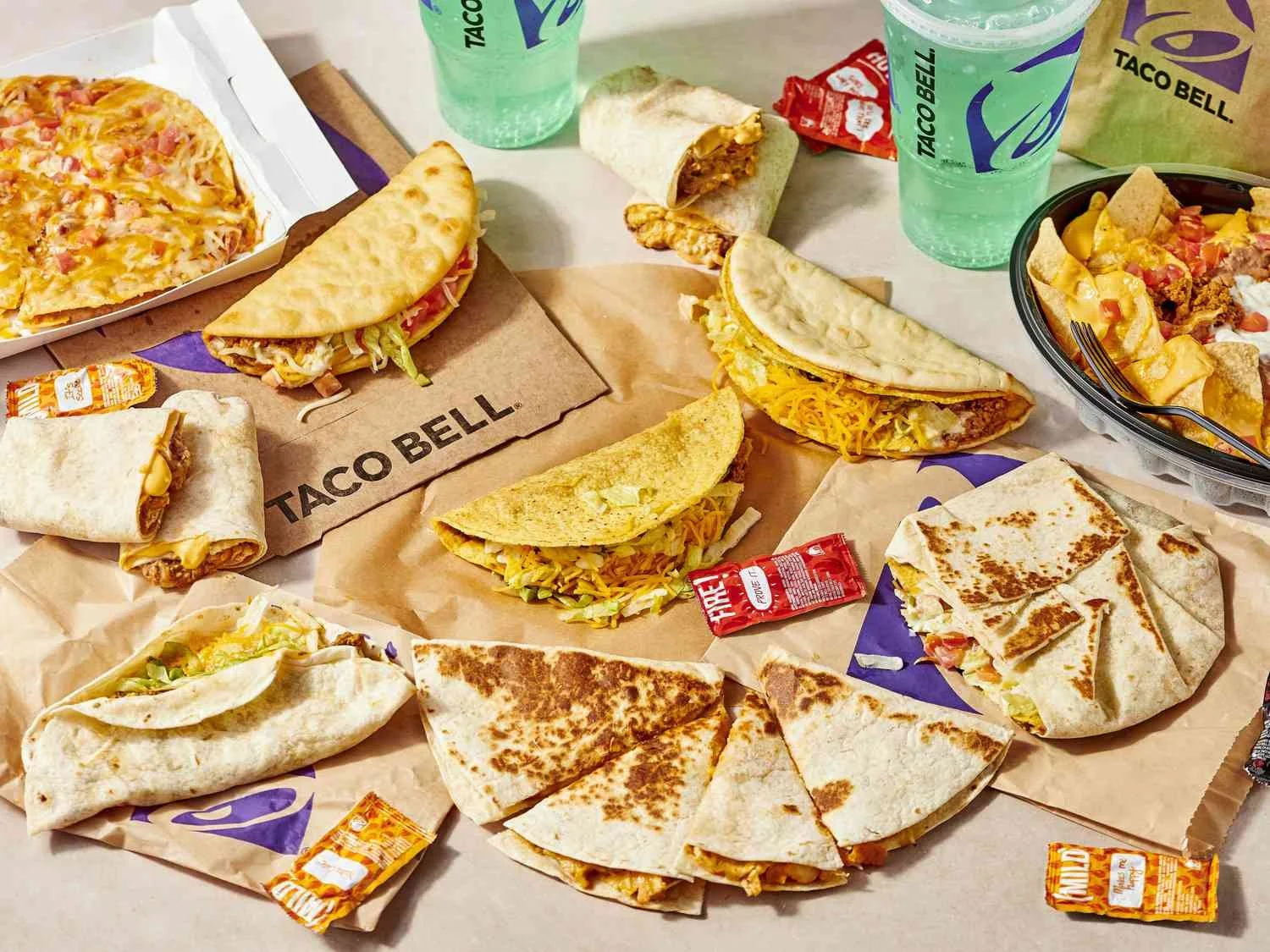
Taco Bell:
Nachos BellGrande Combo — $13.16
2 Chicken Chalupa Combo — $16.46
Crunchwrap Supreme Combo — $12.80

KFC:
5-Piece Tenders Combo — $17.31
3-Piece Chicken Combo — $15.73
2-Piece Chicken Combo — $12.19
Chicken Sandwich Combo — $12.19
For families or those purchasing food on-the-go frequently, these prices can add up quickly.
A family of four ordering two 10-piece McNuggets and two Quarter Pounder meals at McDonald’s easily hits over $40 after taxes.
The same family at KFC ordering two 2-piece Chicken Combos, one 3-piece Combo, and one 5-piece Tenders Combo would pay over $60 after taxes.
That’s $40–$60 for a single meal. Even one fast-food night per week adds $160–$240 to your monthly food expenses and often leaves you feeling hungry again a few hours later.
What $40–$60 Buys You at the Grocery Store
Let’s compare those prices to what you could buy from our local Napa bargain grocery store instead.
Using Grocery Outlet as an example (a store known for low prices and good quality), here’s what you can get for roughly the same amount:
2 lbs bananas — $2.18
2 lbs tangerines — $3.99
3 lbs onions — $2.27
2 lbs grapes — $2.89
1 gallon milk — $4.19
Dozen eggs — $4.59
5 lbs chicken thighs — $11.50
1 lb Italian sausage — $4.59
3 lbs potatoes — $3.49
1 lb blueberries — $5.69
Total: $45.38
That’s over 20 pounds of quality food for the same cost as one fast-food meal for a family of four.
This comparison shows just how much further your money goes when you cook at home.
Real Example: Biscuits and Gravy
One of my favorite weekend breakfasts is biscuits and gravy, so I decided to break down the cost per serving using the same Grocery Outlet prices.

Ingredients:
12 biscuits — $3.99
1 lb sausage — $4.59
5 lbs flour — $3.09
1 qt half & half — $4.59
1 lb butter — $4.29
Of course, I’m not using all of the flour or butter in one recipe. Those ingredients last for several meals. Here’s what the actual cost looks like for one batch of gravy:
Cost Breakdown:
Sausage (1 lb): $4.59
Flour (¼ cup): $0.08
Half & half (2½ cups): $2.87
Seasonings (salt, pepper, red pepper): $0.10
Total Recipe Cost: $7.64
Yield: About 6 servings
Cost per serving: $1.27
That means a full biscuits and gravy meal for a family of four costs about $5.08 total compared to $40 or more at a fast-food restaurant.
This simple example helps put the cost of homemade meals into perspective. With a bit of planning and flexibility, many meals can be made at home for a fraction of the cost of eating out. This is exactly what our dietitians at As You Are Nutrition work on with clients during meal-planning sessions by finding realistic, budget-conscious options that fit their lives.
Why Fiber Matters
Chances are, you’ve heard a lot about fiber in recent years. It’s a carbohydrate and a critical nutrient for our bodies, but what exactly does it do?
In short, fiber helps your digestive system run smoothly and keeps you feeling full longer. It’s mainly found in plants and provides the “bulk” that slows down digestion while helping your body stay regular and clean out waste efficiently.
On the other hand, fast food typically contains little to no fiber. That’s why your body digests it quickly and why you often feel hungry again just a few hours later. Beyond its health benefits, this is what makes fiber so valuable. High-fiber foods keep you full while nourishing your body. It’s a win-win scenario in nutrition.
Here’s my favorite tip: if you do need to grab fast food, add a high-fiber side to your meal. Something as simple as a piece of fruit, a small salad or an avocado can make a huge difference. Not only will it boost your meal’s nutrition, but it’ll also help you stay satisfied longer.
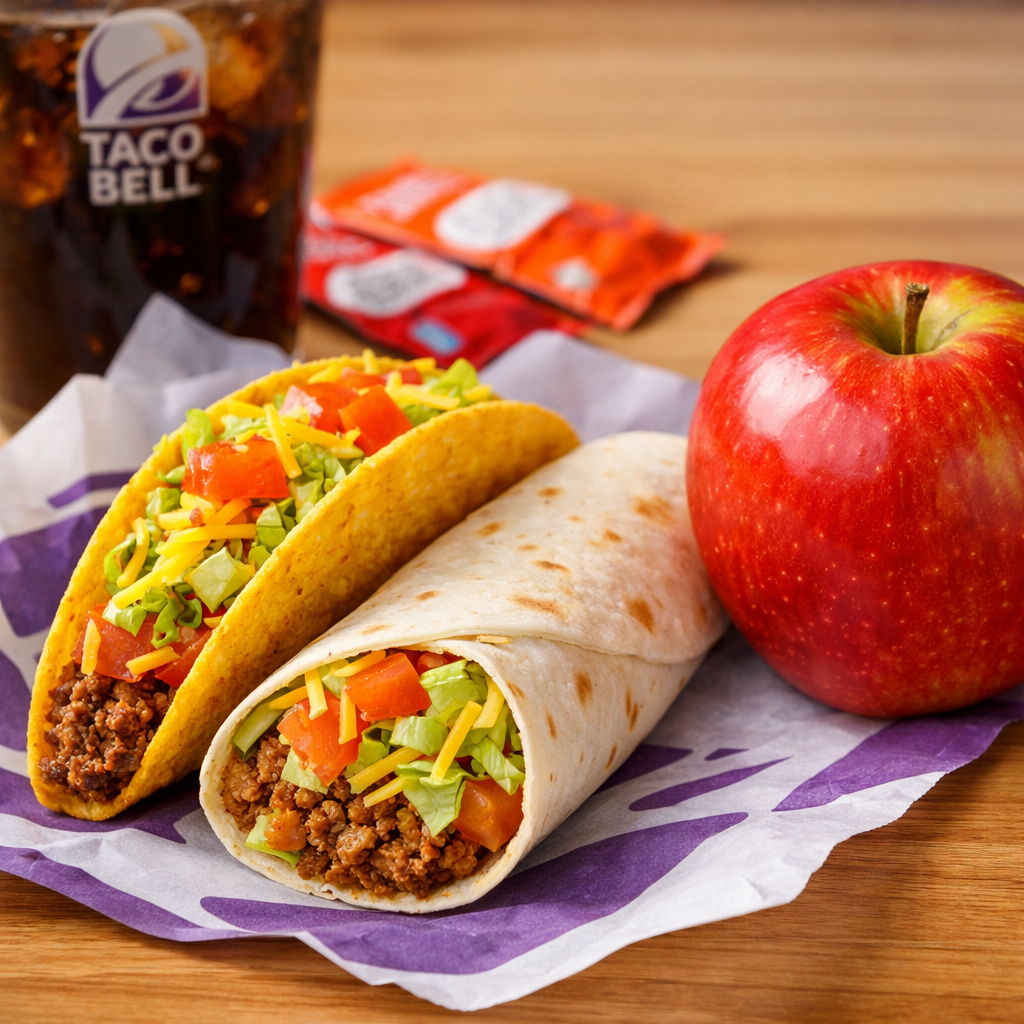
High Fiber Sides:
Avocado (or Guacamole)
Apple, Pear or Orange
Banana
Berries
Beans (like Roasted Chickpeas)
Carrots & Hummus
Whole-grain Corn Chips
Nuts (almonds, peanuts, walnuts)
Snap Peas
Cucumber Slices
Bagged Salad
Getting More Nutrition Bang for Your Buck
Another thing to consider is what you’re getting nutritionally for the money you spend. Fast food can be convenient and provide energy, but many options tend to be lower in nutrients like fiber, vitamins, minerals, and plant-based fats relative to their cost.
Cooking at home gives you more flexibility to include foods that create a more balanced nutritional value (such as vegetables, beans, whole grains, and plant fats) without significantly increasing the price of the meal. This can make home-cooked meals feel like more “bang for your buck,” especially when food budgets are tight.
That said, home cooking isn’t automatically more nutritious; it depends on what you make. The goal isn’t perfection or avoiding fast food altogether, but finding realistic ways to balance convenience, cost, and nourishment. If you’re looking for ideas to get started, check out our other blog posts featuring affordable, easy-to-make recipes that are both nutritious and satisfying.

More Meals for Less Money
Fast food still has its place. Convenience foods exist for a reason, and sometimes we all need a quick, easy option. The goal here isn’t to scare you away from fast food altogether, but to give you strategies and perspectives that help you make the most of your food budget.
By understanding how prices compare and how much further your money goes at the grocery store, you can make more intentional choices about when to cook at home and when to grab something on the go.
That way, even on those busy days when convenience is necessary, you can feel confident knowing you’re still taking steps toward smarter, more balanced eating.
At As You Are Nutrition, we believe everyone deserves access to nourishing, affordable food. If you’d like help planning simple, low-cost meals that fit your needs and lifestyle, our dietitians are here to help.