
You know that meme that goes:
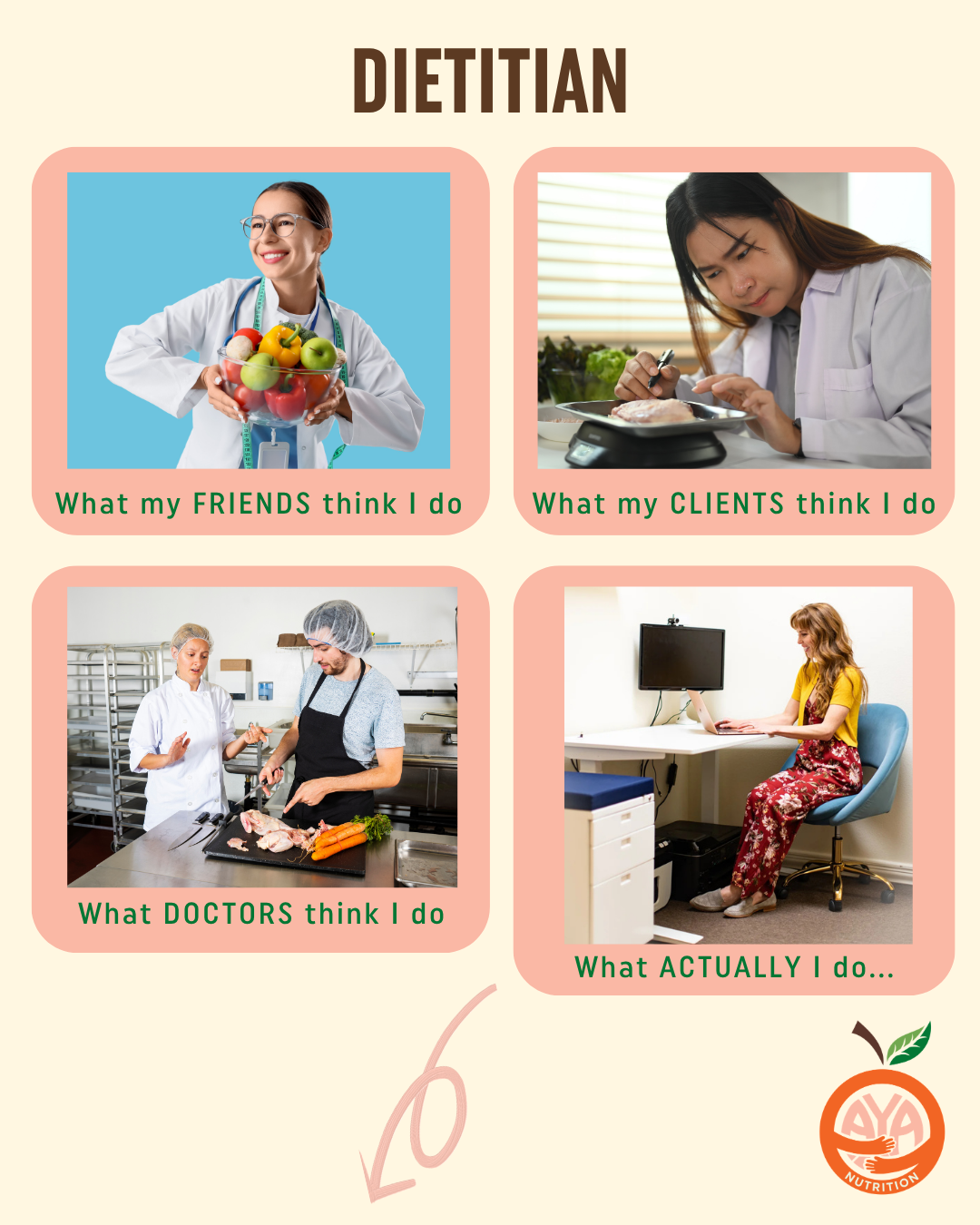
I feel like dietitians could make an entire series out of that meme.
I became an outpatient dietitian because I love building relationships with clients, putting together the pieces of their clinical picture, and getting to witness what happens when someone feels more confident and supported in caring for themselves.
And I became an AYAN dietitian because I love doing that work as part of an amazing team.
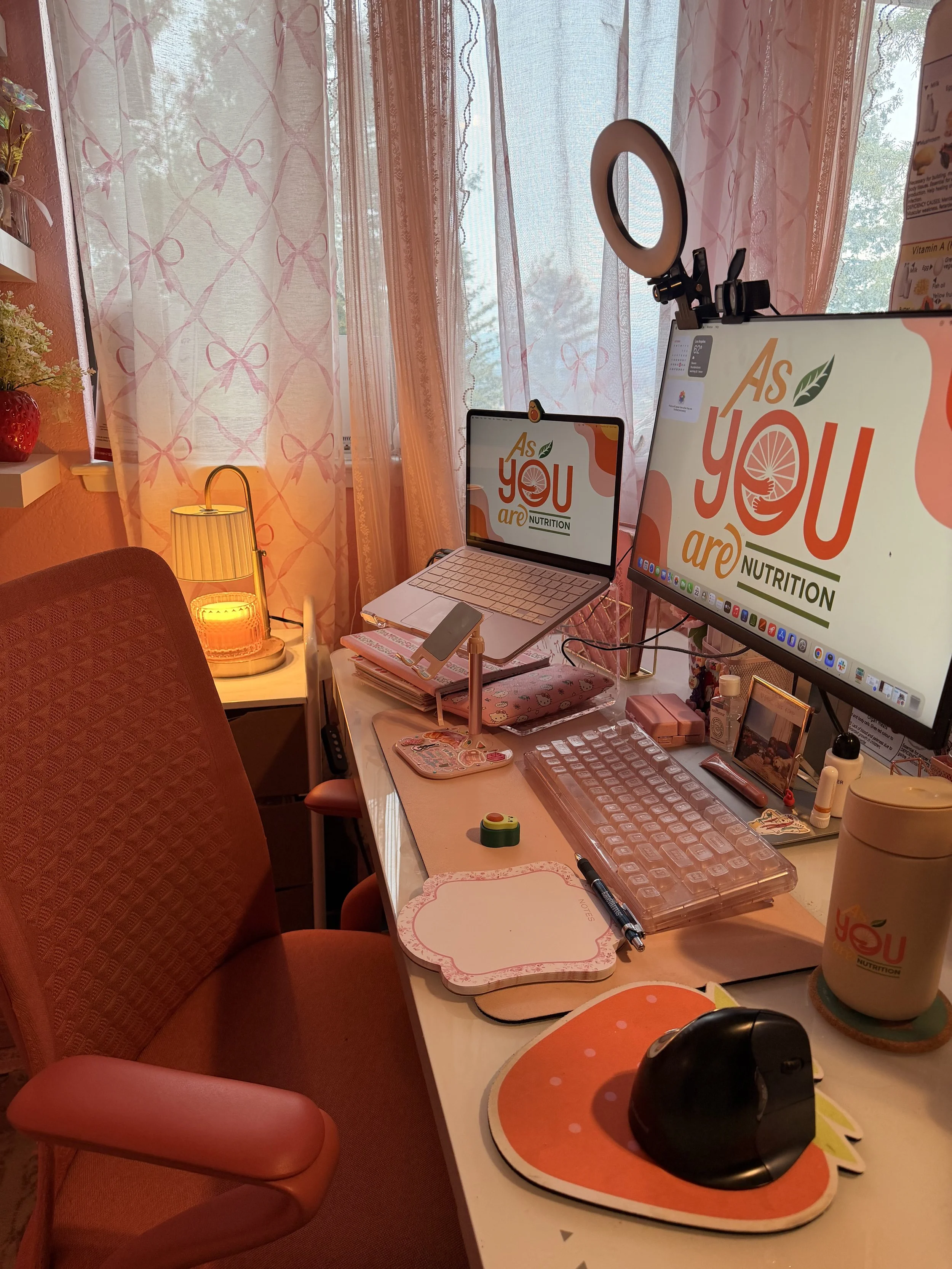
So, here is a little peek into what a day (or really, a week) looks like for an AYAN dietitian, whether I'm working from my home office or from our cozy downtown Napa space.
(and yes, it starts with logging into my cute pink laptop and pouring my morning drink into my cute AYAN thermal cup)
Tuesday morning: Team Huddle
Every Tuesday morning, we have our weekly team huddle.
We check in about our weekends, talk through any tricky initial assessments we have coming up, ask for support when we need it, and hold space for each other. We also use this time to talk about operations and give feedback about what is working (or what isn't).
Jessie also shares business updates and practice stats so that we actually know what is happening behind the scenes at AYAN.
I really like that our team meetings aren't just about productivity. Sometimes the most important thing we do is say, “Hey, what handouts are you using right now for PMOS?,” and have five other dietitians help you think through it.

Before the first client
I usually have about 10–15 minutes to prep for the day's clients, which might be anywhere from four to six sessions.
Typically, I'll see four follow-ups and one initial assessment. I can either schedule them back to back or have 10-15 min between each session.
And I know that the administrative pieces have already been handled. Our Office Coordinator, Kenlee, has screened the schedule for intake paperwork, and our front desk has checked insurance benefits.
So when I sit down with my client, I can actually focus on the client.
I don't have to spend time figuring out whether their paperwork is complete or whether they are even eligible to see me.
That's a small thing, but it makes a big difference.
Most of my clients aren't new
I might have 2–5 new clients in a typical week, but most of my time is spent with people I already know. That's one of my favorite things about outpatient nutrition. You get to see the whole process.
You meet someone when they are overwhelmed, frustrated, confused, newly diagnosed, struggling with food, or just not sure where to start.
And then you get to see what happens over time.
Maybe they finally feel comfortable eating a food they had been avoiding. Maybe their labs improve. Maybe they figure out how to manage meals with a new diagnosis. Maybe they simply feel less anxious around food.
Those relationships are a huge part of why I love this work.
Thursday = Group Casework
Every Thursday, we spend an hour doing group casework with the dietitian team and any interns who are with us.
We talk through cases, ask questions, and learn from each other.
About once a quarter, Jessie also brings in a Guest Supervisor to facilitate a session around a specific topic we want to learn more about.
We've covered everything from ARFID and sports nutrition to gut health and gender-affirming nutrition care.
It is one of those things that I think is easy to underestimate when you're looking at a job posting. “Weekly case consultation” sounds nice. Actually having protected time every week to sit down with other dietitians and think through clinical questions together is really nice.
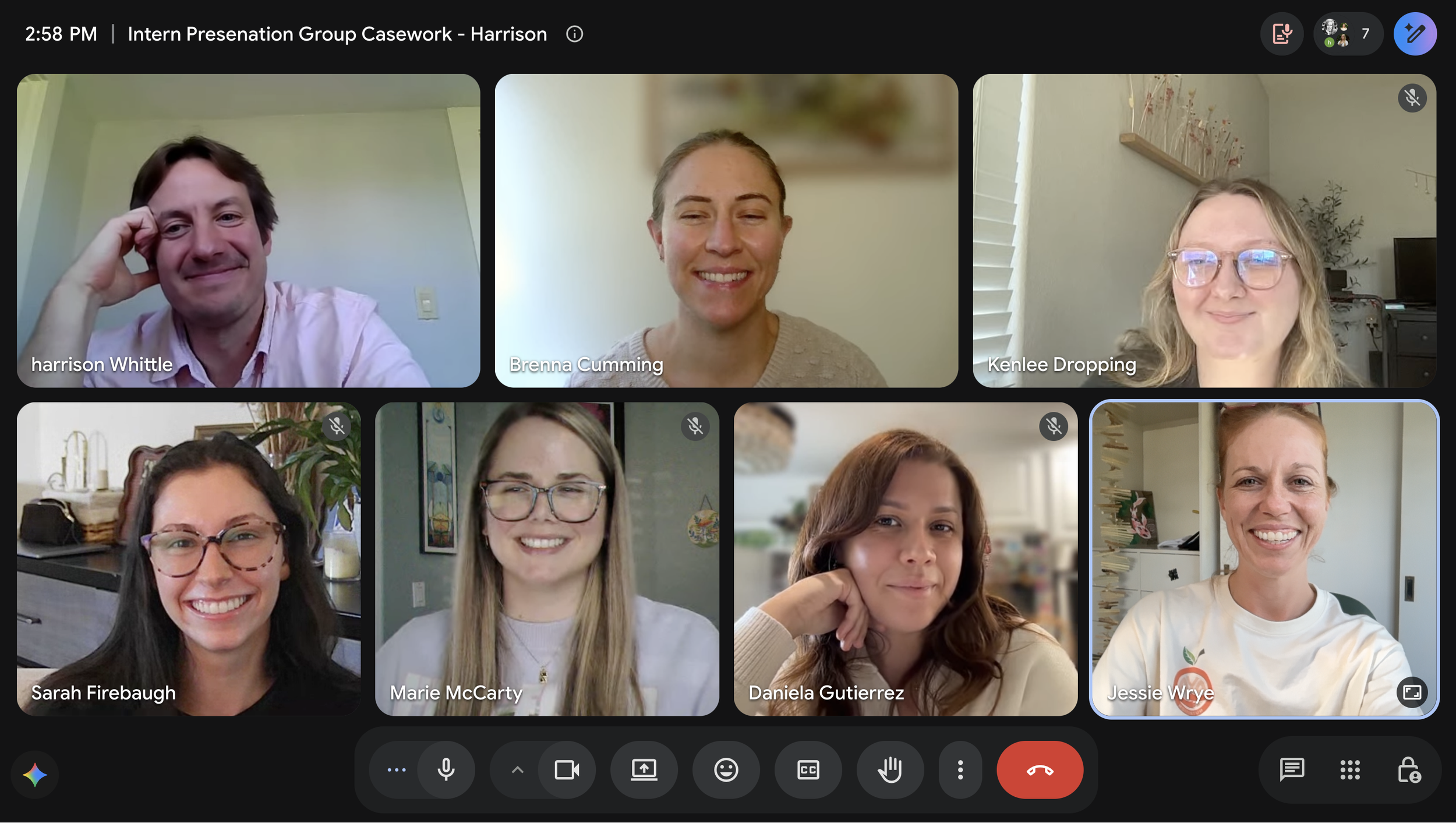
Harrison presenting the research on Interoceptive Awareness & Eating Disorders
We are encouraged to use clinical judgment
One thing I really appreciate about working at AYAN is that I'm supported in thinking about the bigger clinical picture, not just how to keep a client on my schedule.
We get guidance around retention and how frequently someone may benefit from MNT for different conditions, but we also have the flexibility to use our own clinical judgment.
If outpatient MNT isn't the right fit for someone, AYAN doesn't expect me to keep seeing them just because they are a client.
The goal is to help the client.
Sometimes that means referring to an OT or SLP. Sometimes it means coordinating with another provider. Sometimes it means recommending a different type of care or a higher level of care.
One example: I once had a new client show up who was actually pregnant, something that hadn't been included in the referral or chart. Rather than trying to make myself the perinatal expert overnight, I completed the assessment and scheduled her with one of our dietitians who specializes in perinatal nutrition.
That's what a team is for.
A lot of my job is just... talking to people
There is obviously a lot of clinical work that happens during a nutrition session. But there is also a lot of relationship building. Sometimes that means talking about food. Sometimes it means talking about horses. Sometimes a client says something that sticks with you for the rest of the day.
One of my favorite things about outpatient nutrition is that our clients are actual people with complicated lives, not just diagnoses or nutrition goals on a referral form.
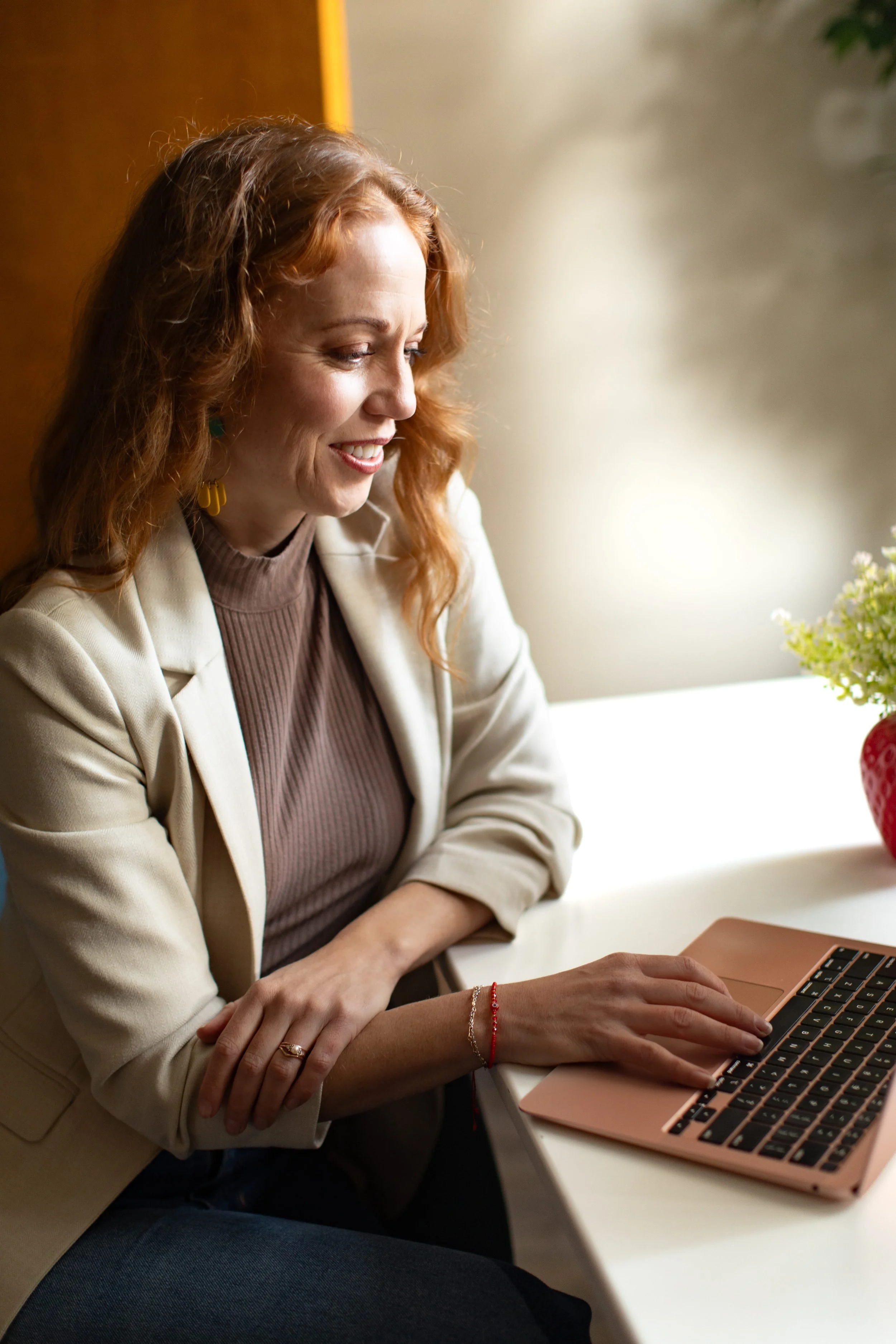
Building genuine connections matters.
And yes, there are approximately 47 tabs open
On a typical day, I might have my EHR schedule open, Slack, our AI scribe, Google Drive with MNT educational materials and reference sheets, research articles, and probably several other things I forgot to close.
We use technology a lot at AYAN, but we're intentional about the platforms and resources we choose, especially as Artificial Intelligence (AI) becomes a bigger part of healthcare.
One of the places I really see the benefit of AI is with our AI scribe.
Instead of trying to type notes while I'm talking to a client, I can actually be in the conversation. I can listen. I can notice what's being said and sometimes what's not being said. I can make eye contact and focus on the person sitting in front of me instead of thinking about whether I've documented everything I need to document.
The AI scribe helps capture the important parts of the session so I can review and complete the clinical note afterward. But when you're using AI with sensitive healthcare information, the how matters.
AYAN chose Heidi as our AI scribe because of how they handle session data. Heidi states that transcripts are not used to improve their AI models, and that session data is kept confidential and used for the purposes of providing the scribe service.
That was important to us.
We're not interested in using every new piece of technology just because it's shiny and new. We want technology that actually makes our jobs better without compromising the trust our clients place in us.
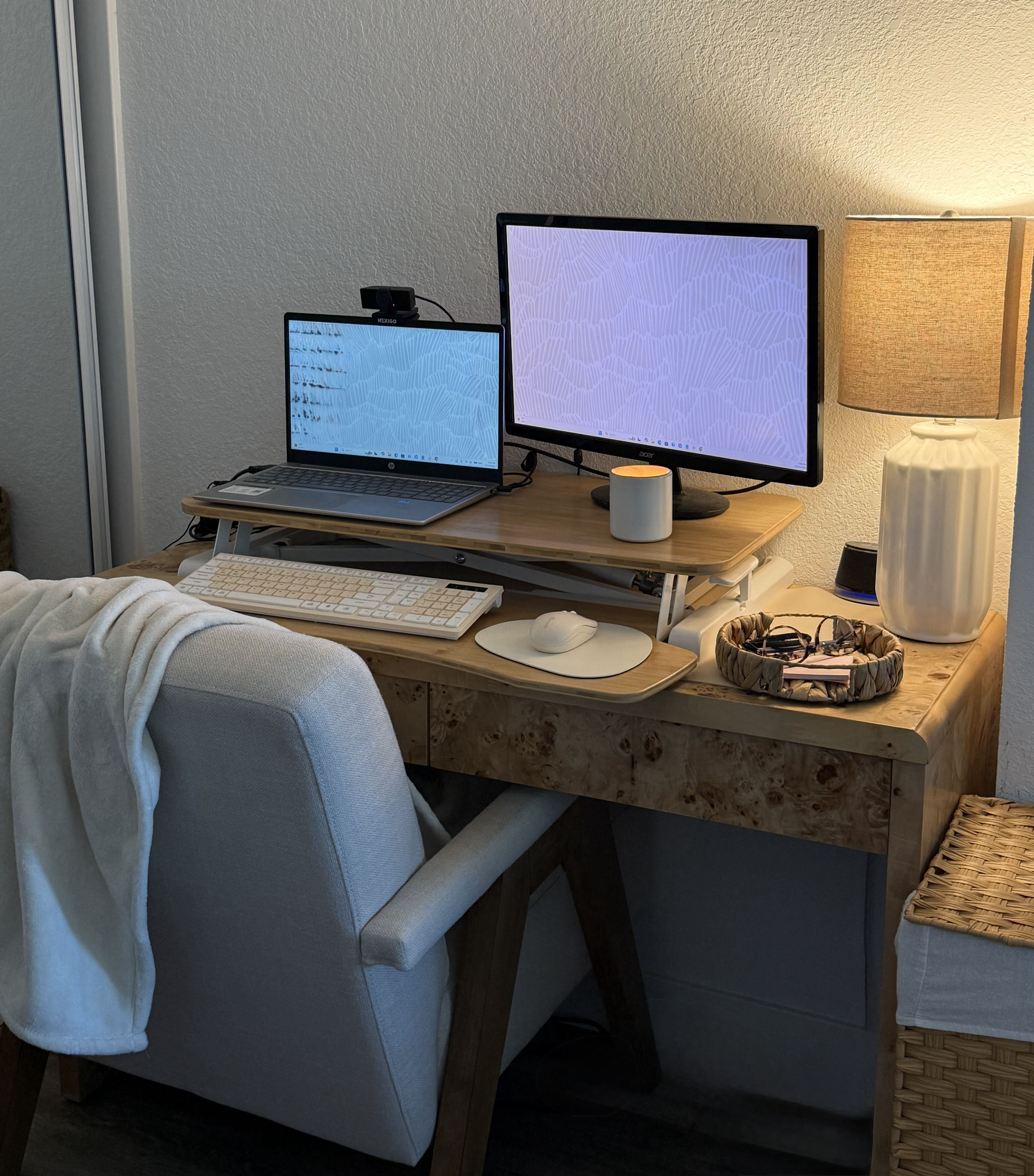
And that is probably the biggest thing about technology at AYAN: the technology is there to support the relationship, not replace it.
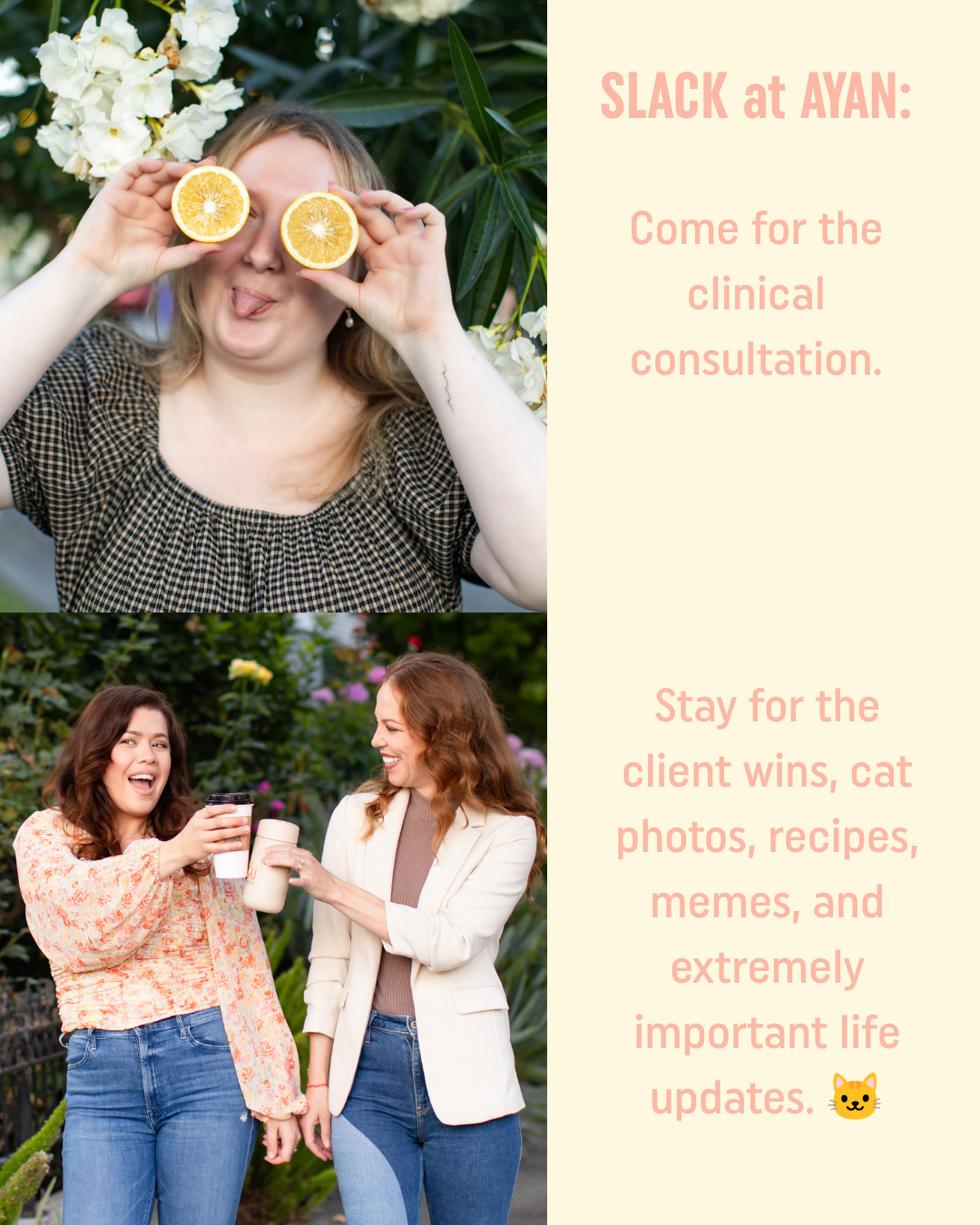
Slack is basically our virtual hallway
Throughout the day, we're messaging each other on Slack.
Sometimes it's a clinical question.
Sometimes it's “Does anyone know a good resource for this?”
Sometimes it's a client win.
Sometimes it's a funny thing that happened in our personal lives.
And sometimes Jessie pops in with an update or jumps on a quick video huddle because someone has a question.
We also share recipes, podcasts, articles, blogs, local events and other things we think the team will enjoy.
It's one of the ways we stay connected when we're not all sitting in the same office.
What happens when someone cancels?
Well, sometimes I get an unexpected 45–60 minutes back in my day. And I don't just stare at the clock waiting for my next client.
I might work on CEUs, reach out to a local provider or therapist, write a blog post, create a new client handout in Canva, work on a chart audit, or contribute to another project that helps AYAN better serve our community.
Or I might finally catch up on the never-ending administrative stuff.
Charting.
Care coordination.
Emails.
Talking with a client's therapist or physician.
Panel management and making sure clients who need follow-ups actually get back on the schedule.
All of it PAID admin time.
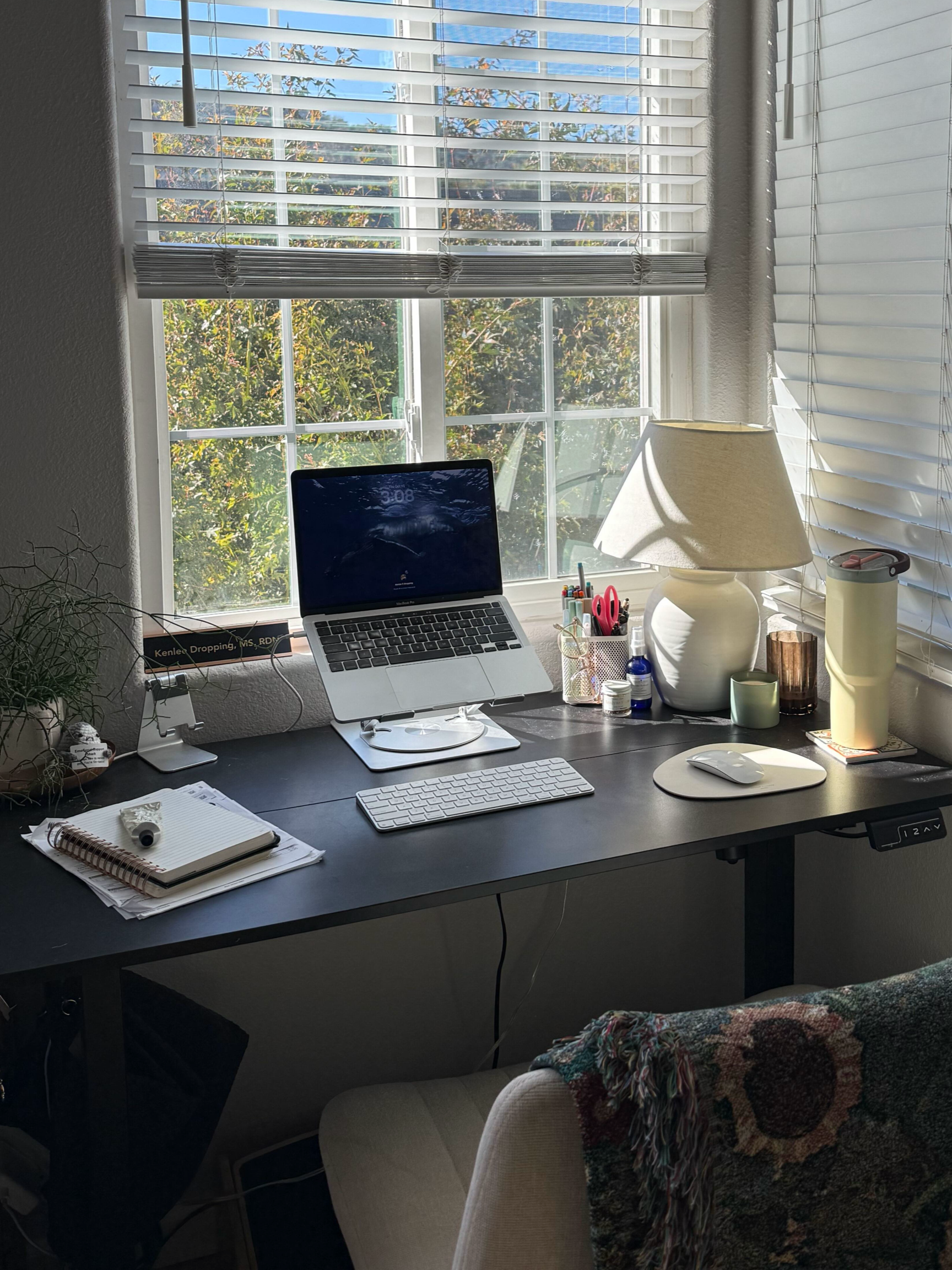
And yes, Heidi/AI Scribe makes the charting part significantly easier for my mental load.
We actually have time built into our jobs for... everything else
An AYAN dietitian works a maximum of eight hours in a day, with a goal of about five of those hours being billable. Billable time isn't just sitting face-to-face with a client. It can also include things like remote monitoring of food logs or CGM reports and multidisciplinary care team meetings.
The other three hours can look very different depending on the day. And that's intentional.
We need time to chart. We need time to communicate with other providers. We need time to learn. We need time to manage our caseloads.
And we need time to breathe. Because this work can be emotionally heavy.
Working with someone around their relationship with food is hard work, and I need to be regulated and present when I sit down with my next client.
Because we are hourly employees, we clock in and out and get two paid 10-minute rest breaks during the day. I can take them when I need them - maybe between clients, or sometimes I tack them onto my lunch break.
Sometimes my break looks like sitting on the couch with my cat.
Sometimes it's a quick walk around the neighborhood.
Sometimes it's just closing my laptop and staring out the window for 10 minutes.
All of those count.
Lunch is flexible, too. I can take 30 minutes or up to an hour depending on what my day looks like.
We track productivity, but it isn't about squeezing every last minute out of us
Every week, we track things like clients seen, high-acuity cases, meetings, care coordination, side projects and CEUs. The purpose isn't to see how much work we can cram into a week. It's to make sure the week is actually balanced.
If my panel is getting too full, I can work with Jessie to adjust my schedule.
If I'm spending a lot of time on high-acuity cases or care coordination, that's visible.
The numbers give us information about workload, they aren't a judgment about whether I'm a “good” dietitian. That's an important distinction.
And then there are the fun things
We also have a team-approved supplement program through Fullscript.
If I think a supplement is clinically indicated, I can recommend it. I have flexibility around the discount I offer clients, and everything is transparent and tracked.
The commission doesn't go into company profit.b It goes into our team “fun fund.” And we actually use it.
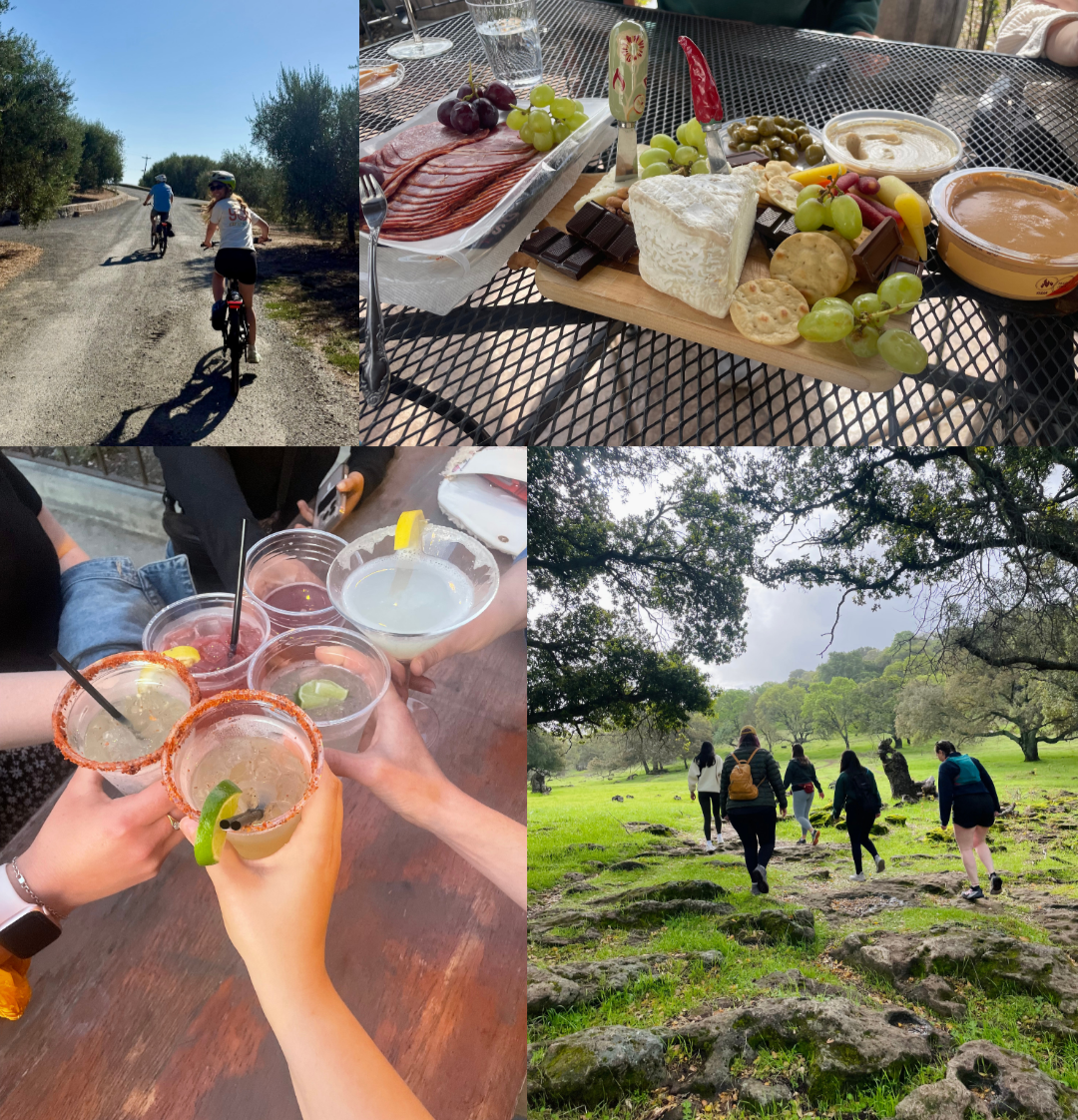
We've gone line dancing, had brunch, done weekend hikes with winery picnics, and gone holiday bowling.
I really like this setup because I don't feel pressured to recommend supplements just because there's money attached to them.
If I think a supplement is appropriate for a client, they can get a quality product at a discount, and the small commission comes back to the team for something fun.
It's one of those little AYAN things that just feels good.
What about PTO?
I can use my vacation days when I want. I can see how much time I've accrued, and I can block my own schedule based on the time I've earned each pay period.
I don't have to ask someone else whether I'm “allowed” to take a Tuesday afternoon off six weeks from now. I can look at my PTO, look at my schedule, and manage my own time.
That level of autonomy is something I really value.
Paid sick time is separate from vacation time. If I'm sick, I can call out and actually stay home and rest. I don't have to worry about scrambling to find someone to cover my clients — the team takes care of rescheduling them.
And sick time isn't just for when you're physically sick. Mental health matters, too. Sometimes taking a planned day to rest, reset, or just give my nervous system a break is exactly what I need to come back ready to do good work.
We spend a lot of time at AYAN talking about caring for ourselves and supporting our clients' well-being.
We practice what we preach around here.
So, what does a day in the life of an AYAN dietitian actually look like?
It looks like seeing clients.
It looks like charting.
It looks like clinical questions in Slack.
It looks like talking about horses with a client.
It looks like a cat sitting next to you during your break.
It looks like getting stuck on a complicated case and having five other dietitians to ask.
It looks like CEUs, care coordination, Canva handouts, provider outreach and the occasional unexpected pregnancy referral.
It looks like a lot of screens and probably too many browser tabs.
But most importantly, it looks like being a dietitian without having to practice alone. And I think that's probably my favorite part of being an AYAN dietitian.
But don't just take my word for it.

What does our team like about working at As You Are Nutrition?
“Oh girl, you know why I love AYAN!! Haha. I love it because I get to learn so much every single day. I love the team support and mentorship, I love the population we work with, and I look forward to seeing my clients to talk and reflect about wins and challenges. ✨”
“My favorite things about working at AYAN are the team collaboration, support, flexibility, and independence. I have the time and space to grow as an individual clinician, while also having the team behind me for group support, accountability, and learning opportunities. I am constantly learning!!
I also love that I can curl up in my blanket during a client session, be present in the conversation instead of scrambling to take notes, and take a quick walk when I need some fresh air. My time and schedule are my own to manage.”
“It’s hard to pick one favorite thing about working for AYAN! What comes to mind is the opportunity to work with such an incredible team of fellow dietitians who share the same passion and mission to provide inclusive care. Being able to work collaboratively while also having flexibility with my schedule and caseload is the best of both worlds!”